Dental Implants for Smokers Risks: What to Know Before You Commit
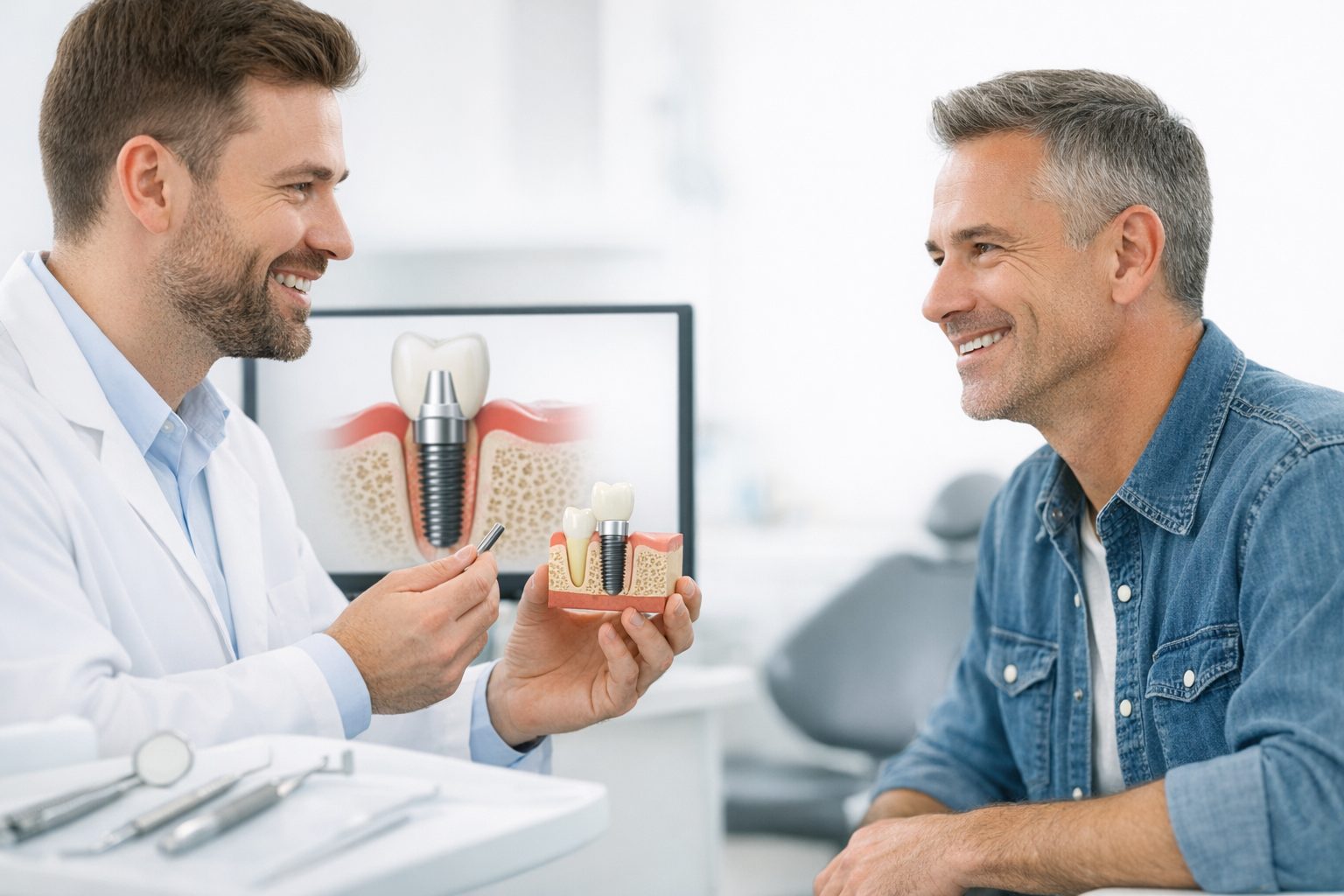
Dental implants for smokers risks can feel confusing when you just want a stable smile again. You may have heard they “won’t work” if you smoke, but it’s rarely that black and white. What matters is understanding the added challenges and how they’re managed.
Smoking affects healing in the mouth, and implants depend on steady healing to bond with the bone. That doesn’t mean you’re automatically ruled out, but it does mean the plan needs extra care. A good clinic will talk through timings, aftercare, and realistic expectations.
If you’re in Bournemouth and juggling mixed advice from friends, online forums, and your own dentist, you’re not alone. Many patients still choose implants, but they do it with a clear plan and support. This guide breaks down what typically changes for smokers.
Why Smoking Changes Implant Healing
When a dental implant is placed, the goal is for the bone to attach firmly during healing. Smoking can reduce blood flow to the gums, which may slow that process. It can also make inflammation more likely, especially in the early weeks.
One of the biggest dental implants for smokers risks is a higher chance of early implant failure. That risk isn’t the same for everyone, because it depends on how much you smoke, your gum health, and your bone quality. For example, a patient who smokes socially at weekends may face different challenges than someone smoking throughout the day.
Many people don’t realise vaping and nicotine replacements may still affect healing too. Nicotine can tighten blood vessels, which may limit oxygen and nutrients reaching the tissues. Your clinician may suggest a stop-smoking window around surgery to improve the odds.
Dental Implants for Smokers Risks and How We Reduce Them
The phrase dental implants for smokers risks often comes up at consultations because it’s a genuine factor in planning. A thorough assessment usually includes checking gum inflammation, bite forces, and how you clean at home. If needed, treatment may be staged to let gums settle first.
If you’re considering dental implants, the most helpful step is being honest about your smoking habits. That helps your dentist choose the right implant number, positions, and healing approach. In many cases, extra aftercare visits are recommended so issues are spotted early.
Some people with missing teeth ask about full-arch options such as All-on-4 because it can reduce the number of implants needed. Others may be better suited to denture implants if they want more stability than a traditional denture. A real-life example we see often is someone who struggles with a loose lower denture when eating out, and wants something that feels more secure.
- Higher chance of slower healing after surgery, especially in first weeks.
- Increased gum inflammation may make cleaning around implants more difficult.
- Greater risk of implant failure if bone does not integrate well.
- More likely need for extra hygiene visits and close follow-up checks.
- Smoking can worsen dry mouth, raising irritation and infection risk.
Even with precautions, dental implants for smokers risks don’t disappear entirely. That’s why you’ll usually be advised to improve brushing, add interdental cleaning, and attend regular maintenance. Small habits, like not smoking right after meals when you’re tempted, can make aftercare easier.
Talk to Us If You’re Replacing Teeth and You Smoke
If you’re weighing up dental implants for smokers risks, a calm conversation can help you feel in control. We’ll look at your mouth as it is today and explain what may improve your chances. You can start with a free implant consultation to discuss options without pressure.
Whether you want to replace one tooth or stabilise a full denture, there’s usually more than one route. The safest choice is the one that fits your health, budget, and ability to follow aftercare. If you smoke, we’ll also talk through realistic stop-smoking windows around treatment and support you can use.