Managing Pain After Dental Implants
Dental implants are a modern solution for those dealing with missing teeth. These implants act as a replacement for tooth roots and provide a strong foundation for both permanent or removable replacement teeth made to match your natural teeth. They help restore the function of your teeth and ensure your smile looks natural. However, it’s quite common to experience some discomfort or pain following the procedure. Understanding this can help ease your concerns and ensure you are prepared for what lies ahead.
Experiencing some level of discomfort or pain after getting dental implants is normal. Much like with any surgery, there’s a period of healing where your mouth adjusts to the new implants. Although the thought of pain might be daunting, knowing what to expect and how to manage it can make a huge difference. By having realistic expectations about the recovery process, you’ll find it easier to navigate this transitional phase.
Understanding Pain After Dental Implants
When it comes to dental implants, understanding the type of pain one might feel can be quite comforting. Initially, you may notice some swelling and tenderness, which is a typical response following a dental procedure. Pain tends to be most noticeable in the first two to three days after surgery. Much like experiencing soreness following a workout, it’s a sign that your body is starting to heal.
The timeline for discomfort usually goes something like this: swelling and bruising might peak around 48 to 72 hours post-procedure, then gradually diminish over the next few days. By the end of the week, it’s expected that much of the discomfort will have reduced significantly. If pain persists beyond what feels reasonable or grows worse, it’s a good idea to contact your dentist for advice.
What causes the pain? Various factors could contribute to longer-lasting discomfort, including the complexity of the implant procedure and any underlying oral health issues. It’s natural to think about the discomfort in these terms. Foreseeing these potential hurdles allows you to face them with the confidence of knowing they are temporary. It’s helpful to remember that everyone’s healing process looks a bit different, so give yourself grace as you navigate yours.
Effective Pain Management Strategies
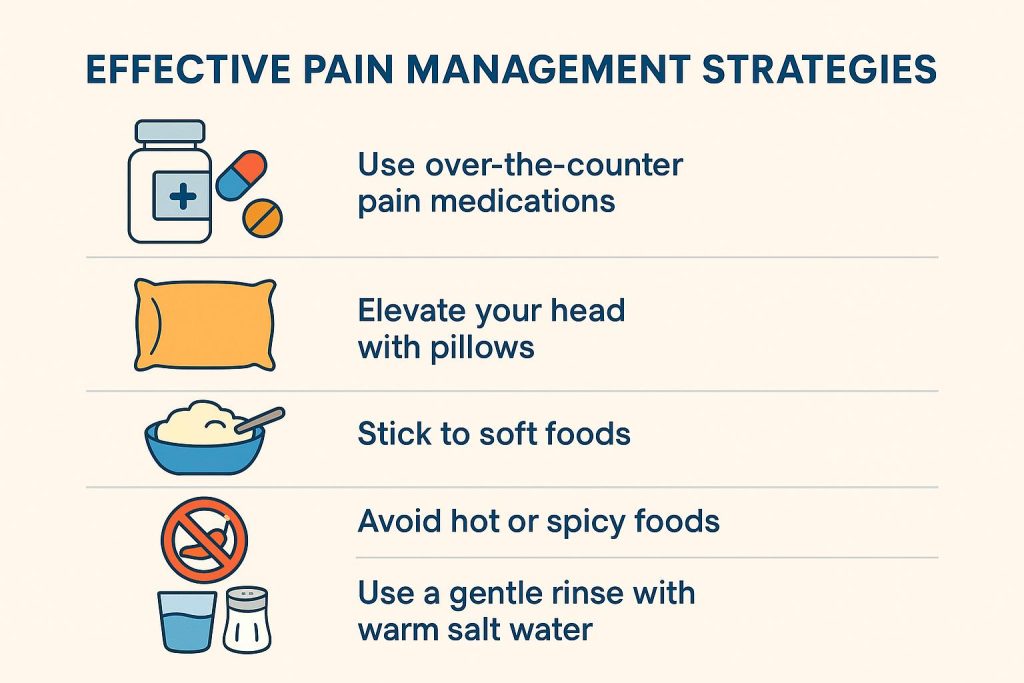
Managing pain effectively plays a big part in your recovery. Here are some strategies to help ease discomfort and get you back on track:
- Use over-the-counter pain medications like ibuprofen or paracetamol to help reduce swelling and pain. Make sure to follow the dosage instructions on the packet.
- Elevate your head with pillows when lying down. This simple step can help to reduce swelling by encouraging fluids to drain away from the surgical site.
- Stick to soft foods for the first few days. Foods like yogurt, mashed potatoes, or soups are gentler on your mouth and won’t disturb the implant site.
- Avoid hot or spicy foods, as they can irritate the area and make pain worse.
- Use a gentle rinse with warm salt water, but avoid vigorous rinsing. This can help keep the site clean and reduce bacteria.
Following these pain management strategies can greatly contribute to a smoother healing process and a quick return to enjoying your daily activities. Remember that each choice you make can significantly impact your recovery, paving the way for experiencing the benefits that dental implants can offer.
When to Seek Professional Help
Despite the commonality of discomfort after dental implants, certain symptoms should alert you to contact a professional. If you experience severe pain that doesn’t subside with medication or worsens over time, it’s important to get in touch with your dentist straight away. Other signs, like excessive bleeding, persistent swelling, or fever, might indicate an infection or other issue that needs attention.
Effectively communicating your discomfort to your dentist is key to addressing any issues quickly. Be honest about your symptoms and the intensity of your pain – this helps them understand the situation and offer the best solutions. Remember, they’re there to support you through the recovery.
Regular follow-up appointments are just as important as the initial surgery. They provide an opportunity for your dentist to check how well the implant is integrating with your jawbone and to spot any potential problems early. So, keep those appointments firmly on your schedule as they play a vital role in ensuring your smile’s success.
Promoting Long-Term Comfort and Health
Looking beyond immediate recovery, it’s crucial to focus on maintaining long-term health for your implants. Good oral hygiene is your first line of defence. Brushing gently twice a day and using a soft-bristled brush can keep the area around the implant clean and prevent gum issues.
In the weeks following your procedure, it’s wise to steer clear of activities that put unnecessary strain on your mouth. Hard or sticky foods, for instance, should be avoided since they can disturb the implant site. Sticking to softer options can help ensure a smooth integration process.
Beyond oral hygiene, your general health plays an essential role in recovery. Maintaining a balanced diet and staying hydrated supports your body in healing from surgery. By taking care of your overall well-being, you’re not only aiding recovery but also ensuring that your implants last as long as possible.
Enjoying Your New Smile in Bournemouth

Successfully managing recovery opens the door to enjoying the full benefits of your implants. With pain properly managed and health maintained, you’ll find yourself embracing the new confidence that comes with a complete smile. It’s not just about having teeth that look good; it’s about feeling good, too.
Thinking positively about the outcome can significantly impact your overall experience. The long-term benefits are bountiful, offering a return to normal eating, talking, and smiling without hesitation. Engaging with life’s moments in Bournemouth becomes that much sweeter when you feel fully at ease.
Addressing pain and seeking solutions promptly can lead to a rewarding outcome with minimal complications. As you journey through the healing process, each moment brings you closer to enjoying life with your new teeth. Restoring your smile is the start of enjoying each moment to the full.
If you are considering improving your smile and oral health, explore your options for dental implants in Bournemouth with the Implant Clinic at Smile Stories. Discover how expert care and advanced implant solutions can help you regain confidence and comfort in your daily life.