Repairing and Maintaining Dental Implants
Maintaining dental implants is crucial for keeping your smile healthy and strong. These implants act just like natural teeth, which means they require regular care and attention. Over time, wear and tear or unexpected issues might arise, leading to damaged implants. Recognising these issues early can make a big difference in solving them effectively. Taking steps to ensure your implants remain in good condition is an important part of your dental health routine.
Repairing damaged dental implants isn’t just about restoring appearance; it’s about ensuring function and comfort too. If left unchecked, small problems can escalate into more significant issues, potentially affecting your overall oral health. By being informed about what can cause damage and how to spot the warning signs, you can take the right actions to maintain your implants effectively and keep smiling with ease.

Common Causes of Dental Implant Damage
While dental implants are built to last, several factors can contribute to their damage. Understanding these causes can help you better prevent problems and maintain the health of your implants. Some common causes of dental implant damage include:
- Natural Wear and Tear: Over the years, consistent use can wear down implants, similar to natural teeth. Daily activities like eating and talking can subtly affect the implants over time.
- Accidents or Injuries: Unexpected impacts, like a sports injury or a fall, can cause significant damage not only to your natural teeth but to your implants as well. Wearing protective gear during high-risk activities can offer some peace of mind.
- Poor Oral Hygiene Practices: Just like natural teeth, implants require diligent oral care. Not brushing and flossing properly can lead to plaque buildup, which can harm the surrounding gums and bone, affecting the implant’s stability.
- Underlying Health Issues: Certain health conditions, like gum disease or bone loss, can affect the health and longevity of dental implants. Regular check-ups can help spot these issues early, allowing for timely intervention.
Recognising these causes allows individuals to take proactive steps to prevent damage. By adopting good dental habits, staying vigilant for any changes, and conducting regular visits to the dentist, you can keep your dental implants in good shape and ensure they provide lasting benefits.
Signs Your Dental Implants May Need Repair
Spotted something unusual with your dental implants? Picking up on signs early can save you a lot of trouble later on. Here are some common signals that might suggest your implants need a bit of extra attention.
- Pain or Discomfort: If you feel pain or discomfort around the implant site, it could mean something’s not quite right. Whether it’s a dull ache or a more pronounced pain, it’s important to investigate further rather than ignore it.
- Changes in Position: Notice if your implants feel or look a bit shifted. Changes in their position might indicate that they’re loosening or that there’s an issue with the supporting bone or gums.
- Chewing or Speaking Challenges: Trouble with chewing your food or speaking clearly might be another indication that your implants need checking. Implants are designed to function like natural teeth, so difficulties could suggest a problem.
- Visible Damage or Wear: If there’s noticeable wear, such as cracks or chips in the implant, it’s time for a repair. Even small visual changes are worth mentioning during your next dental visit.
Recognising these signs early can make fixing the problem simpler and less distressing. It’s always a good idea to have regular check-ups to catch any issues that might be developing unnoticed.
Repairing Damaged Dental Implants: The Process
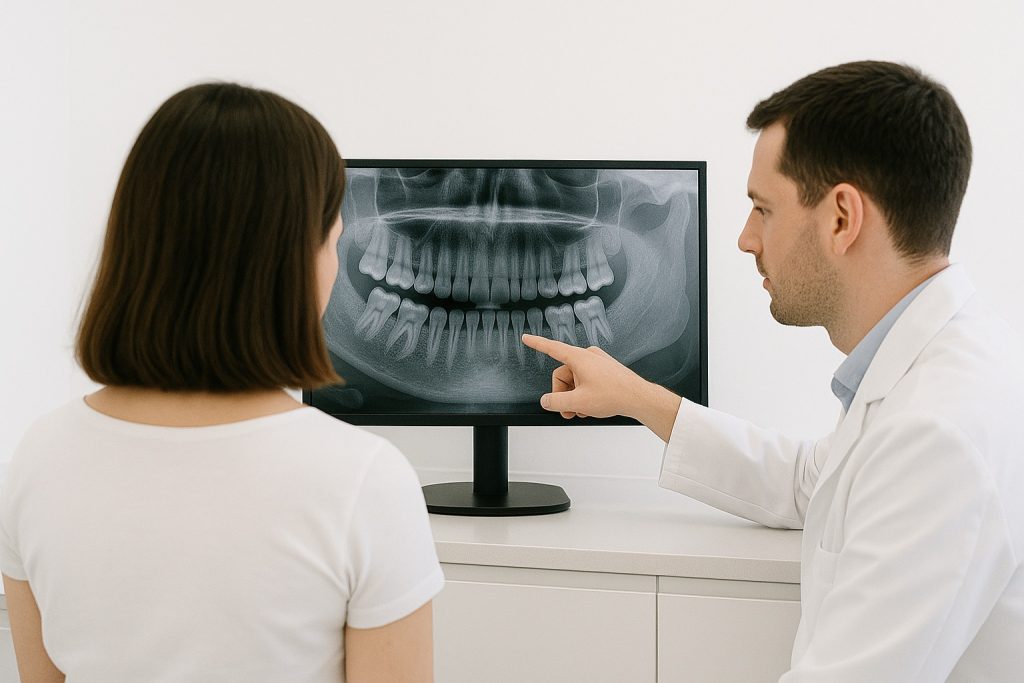
When damage to an implant occurs, tackling it with the right approach involves several steps. The first is an initial consultation and assessment where the problem can be identified. This usually involves a detailed look, perhaps with some X-rays, to get a clear picture of what needs addressing.
Once the issue is evaluated, your dentist will discuss the best course of action. Depending on what’s required, this could involve tightening screws, performing minor adjustments, or even replacing certain parts of the implant. This step is crucial to ensure that the implant stays secure and performs as it should.
It’s important to remind ourselves that professional help is essential here. Although it might be tempting to try self-repairs or fixes, dental implants are delicate and require the expertise of professionals who understand their complexity. Avoiding DIY methods ensures the problem is resolved correctly without risking further damage.
Preventing Future Damage to Your Dental Implants
Prevention is always better than repair. Keeping implants safe involves several straightforward yet effective measures:
- Regular Dental Check-Ups: Scheduling consistent visits to your dentist helps keep track of the implant’s condition and catch any potential problems early.
- Proper Oral Hygiene: This cannot be stressed enough. Brush and floss diligently to avoid plaque build-up, which could damage the surrounding tissue and stability of the implant.
- Lifestyle Adjustments: Reducing habits like smoking or consuming excessive sugary foods can protect both your natural teeth and implants.
- Protective Measures: For those engaged in high-risk activities or sports, consider using mouth guards. This offers additional protection and peace of mind from potential accidents.
These practices serve as a solid foundation for maintaining not only your smile but the overall health and longevity of your dental implants.
Keeping Your Smile Strong and Healthy
Addressing and preventing damage to dental implants is key to keeping your smile both beautiful and functional. By knowing the causes of damage and recognising the signs, you can take timely action when needed. The steps for prevention are straightforward and play a crucial role in ensuring your implants last as long as possible.
Keeping proactive in your oral health routine holds many benefits. Not only does it safeguard your dental investment, but it also ensures you enjoy all the perks of a worry-free, radiant smile. Remember, regular care and professional oversight are the best allies for your dental implants over the years.
Whether you already have dental implants or are thinking about getting them, the right care makes all the difference. Why not explore all the dental implant options available at the Dental Implant Clinic at Smile Stories in Bournemouth to discover how we can help your smile last a lifetime.