Zirconia Dental Implants Advantages and Disadvantages: What to Know Before You Choose
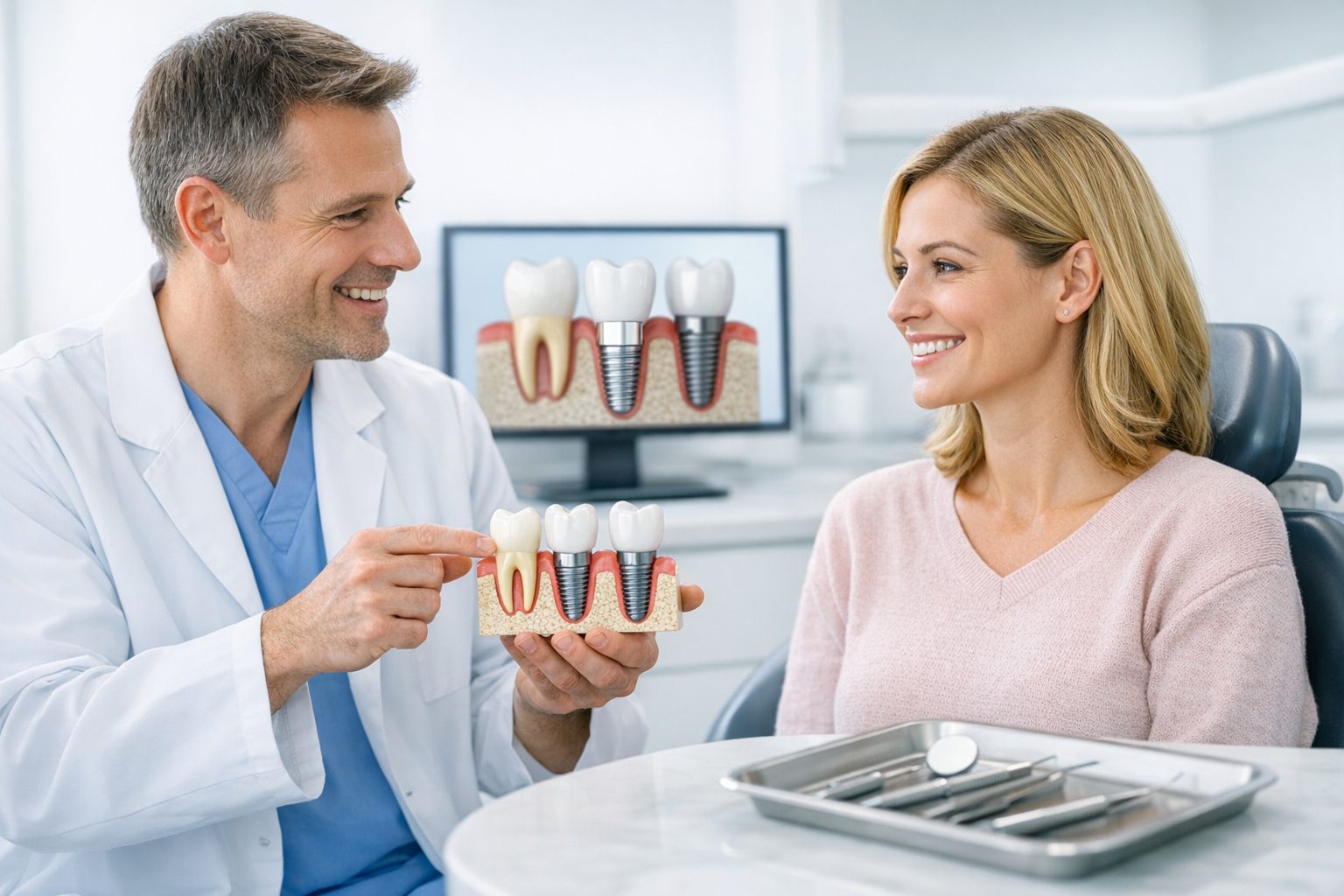
People weighing up zirconia vs titanium implants usually want plain answers. Zirconia is a white, ceramic implant material that looks different to traditional titanium, and choosing between the two often comes down to appearance, strength, and how your mouth reacts to each material. It can be a good option for some smiles, but it is not automatically “better.”
People weighing up zirconia vs titanium implants usually want plain answers. Zirconia is a white, ceramic implant material that looks different to traditional titanium, and choosing between the two often comes down to appearance, strength, and how your mouth reacts to each material. It can be a good option for some smiles, but it is not automatically “better.”
In clinic, we often meet patients who’ve read mixed opinions online and feel unsure. A useful way forward is to compare benefits and trade-offs side by side. Below, we’ll walk through the pros and cons in a practical, non-technical way.
Zirconia vs Titanium: How They Compare in Everyday Use
An implant is the small “root” placed in the jaw to hold a crown, bridge, or denture. If you’re exploring dental implants, you’ll usually hear about titanium first because it has a long history of use. Zirconia is newer and tends to be chosen for its appearance and material preferences.
One everyday advantage is how zirconia looks at the gumline. Because it’s tooth-coloured, it may be helpful if your gums are thin or you smile widely. A real-life example is a front tooth replacement where someone worries about a grey shadow in photos.
Another point is how the material interacts with the mouth. Zirconia is metal-free, which some patients prefer for personal reasons, and it can feel reassuring. However, comfort and success still depend on good planning, careful placement, and consistent cleaning, regardless of which material you eventually choose.
- White material may reduce dark gumline show-through in thin gums.
- Metal-free option can suit patients with strong material preferences.
- Fewer component choices may limit complex bridge or full-arch cases.
- Hard ceramic can be less forgiving under heavy grinding forces.
- Experienced planning and hygiene routines still strongly influence long-term outcomes.
Another point is how the material interacts with the mouth. Zirconia is metal-free, which some patients prefer for personal reasons, and it can feel reassuring. However, comfort and success still depend on good planning, careful placement, and consistent cleaning, regardless of which material you eventually choose.
Looking at this material honestly means talking about where it shines and where it can be less flexible. Zirconia implants are often one-piece designs, which can simplify certain situations but can also reduce adjustment options. That matters if the angle needs fine-tuning to fit your bite and crown shape.
Durability is another common question. Zirconia is strong, but it’s also a ceramic, so it can behave differently under stress compared with metal. For example, if you clench or grind at night, your clinician may discuss protective steps like a night guard and whether another material suits your risk level.
It also helps to consider who is placing and restoring the implant. Choosing a properly registered professional and a team that follows recognised standards is important, whichever material you pick; you can check guidance from the General Dental Council. In many consultations, the deciding factor is not “zirconia versus titanium,” but how well the plan matches your bone levels, gums, and bite.
Thinking About Replacing Teeth? Let’s Talk Through Your Options
If you’re weighing up zirconia against titanium and want a clear recommendation for your mouth, a calm chat can help. Our team can talk you through materials, timelines, and likely aesthetics during a free dental implant consultation. We’ll also explain what maintenance looks like at home and at review appointments.
Bring along any questions you’ve saved, plus details like grinding, previous dental work, or gum concerns. We can assess suitability and discuss alternatives, without pressure, so the choice between zirconia vs titanium feels straightforward. The goal is to help you choose a solution that feels comfortable, looks natural, and fits your long-term plan.